

DIY ESP32 tracker brings planes and rocket launches to your desk
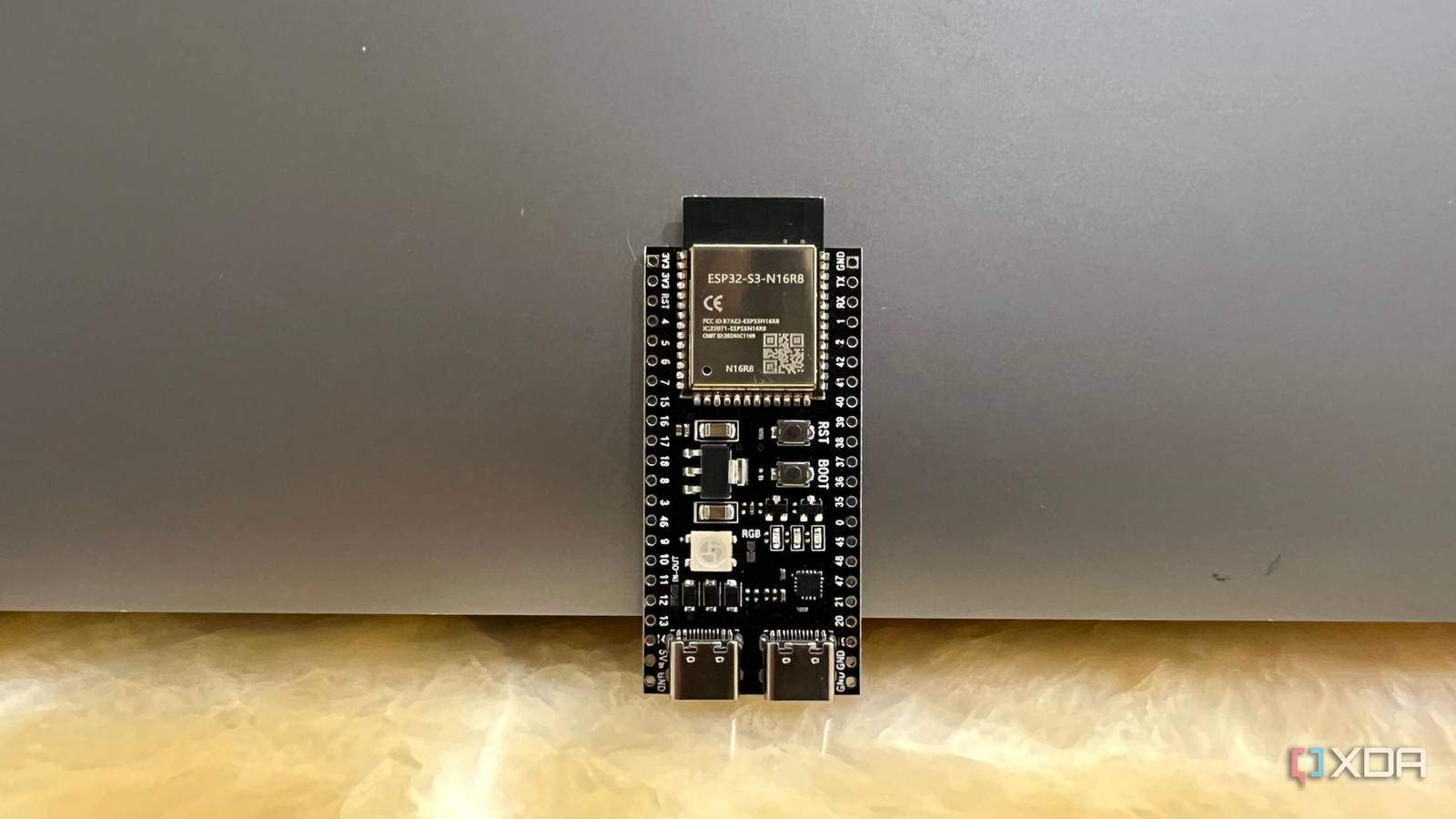
A quiet corner of your desk can now become a mini air-traffic-control tower. A fresh ESP32-S3 build streams real-time ADS-B data to a pocket-sized OLED, painting every commercial flight and high-altitude rocket launch passing overhead. Costing a fraction of a commercial receiver, the project proves that space-grade tracking doesn’t require a server farm—or even a second mortgage.
## From planes to rockets in one gadget
The heart is an ESP32-S3 module, a Wi-Fi/Bluetooth chip already popular with hobbyists. A simple whip antenna picks up 1090 MHz ADS-B signals broadcast by aircraft every second. The microcontroller filters the stream, extracts flight numbers and altitude, then pushes the data to a 0.96-inch OLED. When SpaceX, Rocket Lab or another operator schedules a launch, the same hardware can pivot to orbital telemetry, displaying the rocket’s ascent path in near real time.
## Built for tinkerers, not telcos
Unlike enterprise-grade receivers that cost hundreds of dollars, this build keeps the bill of materials under $40. All code and wiring diagrams are shared on GitHub, inviting anyone with a soldering iron to replicate the setup. The creator has tested it during the recent surge of Starlink launches, confirming that the ESP32-S3 can keep up with the fast-changing azimuth and elevation angles without lag.
Why it matters
For under a weekend’s effort and pocket change, enthusiasts gain a live data feed that rivals airport radar displays. More importantly, the project lowers the barrier to entry for space-related citizen science, letting students and makers prototype their own satellite-tracking tools instead of merely consuming them. As reusable rockets and mega-constellations multiply, open-source hardware like this ensures the next generation of engineers can watch the sky without waiting for permission—or a big budget.
Source: XDA Developers. AI-assisted editorial synthesis — TechnoExpress.